
Mild Brain Injury a Mislabel
Eradicate the Use of the Word Mild to Describe Brain Injury
Historically, brain injuries were classified as mild, moderate and severe based upon the duration of loss of consciousness. Mild brain injury a mislabel. More properly, these classifications have been reconsidered based upon length and severity of amnesia, particularly post traumatic amnesia or PTA.
Why Mild Brain Injury a Mislabel?
We find the use of the words “mild” and “moderate” to refer to a permanent change in the way the mind works, absurd. This is why we find mild brain injury a mislabel. No lesser authority than the founder of medical science, Hippocrates agreed with our position, espousing the proposition that all brain injury is significant, but not necessarily devastating.
Therefore, we find it more useful to classify brain injuries into only two types, those which involve coma and those which do not. We use this distinction between coma and non-coma injuries, not because the ultimate outcomes are necessarily different, but because the coma injury involves the vigil of life and death. Our mission to “eradicate the use of the word mild” as we find mild brain injury a mislabel, is still not finished after more than 15 years of saying that on the internet. Still, we believe our combined voices are getting stronger. Now thousands, if not always coordinated voices, are demanding a change the peer reviewed thinking that continues to ignore Hippocrates’ millennium old understanding.
NEXT: About Subtle Brain Injury
[hr_small]
About TBI Without Coma
Subtle Brain Injury©
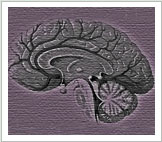 Permanent brain injury can occur without significant loss of consciousness (LOC), even when all imaging studies, including MRI and CT scans are negative. To learn about the necessary elements to diagnose a brain injury in the absence of coma, click here. The theme of our non-coma pages (what we call “subtle brain injury©” is to teach about the potential consequences of misdiagnosis and lack of treatment for brain injury.
For More Information, Click Here
[hr_small]
About TBI With Coma
Our advocacy with respect to severe brain injury or coma injuries is to assist with the despair that all is lost. With that as a goal, the Brain Injury Law Office, SC sponsors the award winning Coma Waiting Page – waiting.com.
waiting.com was created to provide information and connection for the family and loved ones of someone in a coma, who are “waiting” for some sign, indication of awakening. At the core of the page is the “Bridge from Despair”, a connection from those who have waited before, to those who wait now. The goal: to let you know that you do not wait alone – that there is real hope for recovery. tbilaw.com includes general information about brain injury for those who are waiting, but the content and substance of waiting.com is written more with the TBI caregiver in mind. We encourage you to continue your search there if that is what you need now. We hope that you will return to tbilaw.com after your journey over the Bridge from Despair, as when the Severe TBI survivor awakes much of what we say about non-coma injuries will also apply to him or her.
Remember what Hippocrates said: no brain injury is “too severe to despair of, nor too trivial to ignore”, even when the physicians pronounce the survivor “cured.”
 Print Friendly Version
 Save Page as PDF
